
Chatbot
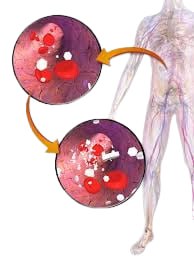
Diabetes symptoms depend on how high your blood sugar is. Some people, especially if they have prediabetes, gestational diabetes or type 2 diabetes, may not have symptoms. In type 1 diabetes, symptoms tend to come on quickly and be more severe.
Some of the symptoms of type 1 diabetes and type 2 diabetes are:
-Feeling more thirsty than usual.
-Urinating often.
-Losing weight without trying.
-Presence of ketones in the urine. Ketones are a byproduct of the breakdown of muscle and fat that happens when there's not enough available insulin.
-Feeling tired and weak.
-Feeling irritable or having other mood changes.
-Having blurry vision.
-Having slow-healing sores.
-Getting a lot of infections, such as gum, skin and vaginal infections.
If you think you or your child may have diabetes. If you notice any possible diabetes symptoms, contact your health care provider. The earlier the condition is diagnosed, the sooner treatment can begin.
If you've already been diagnosed with diabetes. After you receive your diagnosis, you'll need close medical follow-up until your blood sugar levels stabilize.
If you have diabetes, contact your health care provider if:
-You have symptoms of high blood sugar, such as increased thirst and urination.
-You have symptoms of low blood sugar, such as shakiness, dizziness or confusion.
-You have a wound or sore that won't heal.
-You have a urinary tract infection or vaginal infection that keeps coming back.